Easy Chimichurri Sauce Recipe – Fresh Herb Flavor
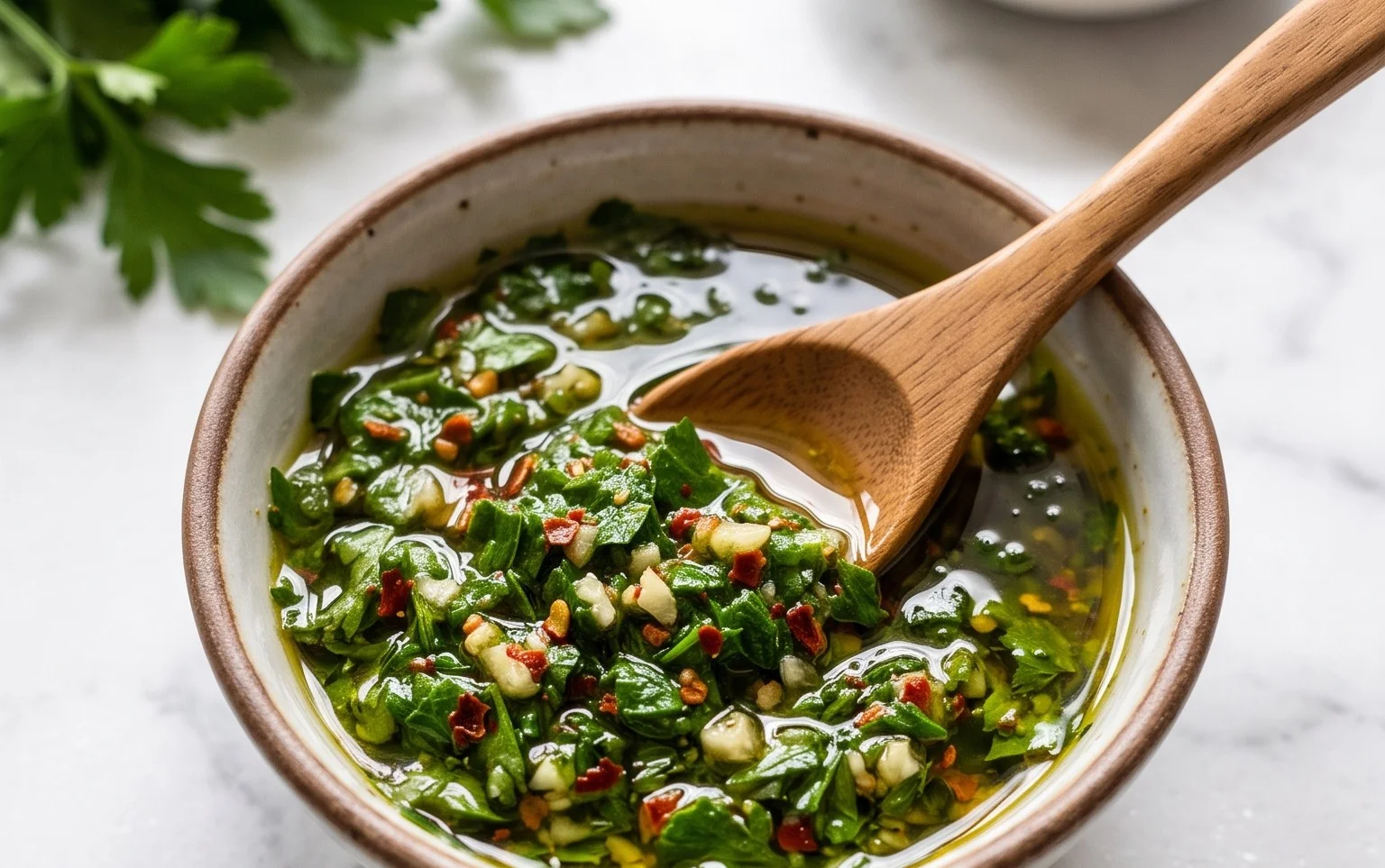
Chimichurri sauce recipe: Get ready to elevate your grilling game with this vibrant, herbaceous sauce that’s about to become your new culinary obsession! If you’ve ever wondered about that incredible green drizzle that transforms grilled meats and vegetables into something truly magical, you’ve found your answer. This Argentinian staple, a chimichurri sauce, is more than just a condiment; it’s a burst of fresh, zesty flavor that cuts through richness and awakens your palate. What makes this chimichurri sauce recipe so beloved? It’s the perfect harmony of parsley, oregano, garlic, vinegar, and olive oil, creating a bright, tangy, and slightly spicy concoction that’s incredibly versatile. Whether you’re a seasoned griller or just looking to add a punch of flavor to your everyday meals, mastering this simple chimichurri sauce recipe is a game-changer.
Chimichurri Sauce Recipe
If you’re looking for a vibrant, flavorful sauce that can elevate everything from grilled meats to roasted vegetables, you’ve found it! Chimichurri is a staple in Argentinian and Uruguayan cuisine, and it’s surprisingly easy to make at home. This herbaceous, zesty sauce is a perfect counterpoint to rich, savory dishes, adding a burst of freshness that cuts through fat and awakens the palate. Forget store-bought versions; the aroma and taste of freshly made chimichurri are simply unparalleled. It’s incredibly versatile, and once you’ve tried it, you’ll find yourself reaching for it time and time again.
The beauty of chimichurri lies in its simplicity and the quality of its fresh ingredients. It’s not cooked in the traditional sense; rather, it’s a raw sauce where the ingredients meld together to create a complex yet harmonious flavor profile. The balance of herbs, acidity, and a touch of heat is what makes it so addictive. I love making a big batch of this to have on hand for the week – it truly transforms leftovers into something special.
Ingredients:
Crafting Your Chimichurri: Step-by-Step
Making chimichurri is a rewarding experience that takes just a few minutes. The key is to get a good chop on your herbs and aromatics, allowing their flavors to release and mingle. You have a couple of options for achieving the perfect consistency: either a finely chopped texture achieved by hand with a knife, or a slightly chunkier, more rustic feel using a food processor. Both methods yield delicious results, so choose the one that best suits your preference and available tools.
Prep Your Herbs and Aromatics:
Start by gathering all your fresh herbs. For the best flavor and texture, it’s crucial to remove all the tough stems from the parsley, cilantro, and oregano. You want to use only the tender leaves. Once stemmed, give your herbs a rough chop. Don’t worry about making them too fine at this stage, as they will be further processed. Next, peel your garlic cloves and roughly chop them. If you’re using red onion, give it a good chop as well; shallots are a slightly milder option if you prefer a less pungent onion flavor. Having everything roughly chopped will make the next step much quicker and more efficient, whether you’re using a knife or a food processor.
Combine and Process the Base:
Now it’s time to bring the solid ingredients together. Place the chopped parsley, cilantro, oregano, red onion (or shallots), garlic cloves, and red pepper flakes into the bowl of a food processor. If you prefer a more traditional, finely minced texture, you can also achieve this by hand with a very sharp knife, mincing everything as finely as possible. Pulse the food processor a few times until the ingredients are finely minced but not pureed into a paste. You’re looking for a textured consistency. If you’re doing this by hand, mince each ingredient separately until very fine, then combine them in a bowl.
Whisk in the Liquids:
Once your herbs and aromatics have been processed to your liking, transfer the mixture to a medium-sized bowl if you used a food processor. Now, it’s time to add the liquids that will bind everything together and provide that signature tang. Pour in the extra-virgin extract olive oil, followed by the red grape juice vinegar and the fresh lemon juice. The combination of vinegar and lemon juice provides a bright, acidic base that cuts through the richness of the olive oil and complements the herbaceous flavors beautifully. Make sure to use good quality extra-virgin extract olive oil for the best flavor; its fruity notes are an important part of the sauce.
Season and Emulsify:
Add the kosher salt to the bowl. Now, using a whisk or a fork, vigorously stir and whisk all the ingredients together. Continue whisking until the sauce is well combined and slightly emulsified. The olive oil and vinegar should start to meld with the other ingredients, creating a cohesive sauce. Taste the chimichurri at this stage and adjust the seasoning if needed. You might want a little more salt, a touch more lemon juice for brightness, or even a pinch more red pepper flakes if you enjoy a spicier kick. The salt is crucial for bringin extractg out all the flavors of the herbs and aromatics.
Rest and Marinate for Flavor Development:
This is perhaps the most crucial step for achieving the most delicious chimichurri, and it’s often overlooked. Once you’ve finished whisking, cover the bowl and let the chimichurri sauce rest at room temperature for at least 15 to 30 minutes before serving. This resting period is essential because it allows the flavors to meld and deepen. The herbs will infuse into the olive oil and vinegar, and the garlic and onion will mellow slightly, creating a more complex and harmonious taste. The longer it rests, the better it gets, so if you have the time, you can even let it sit for a couple of hours, or make it a day ahead and store it in the refrigerator. If you do refrigerate it, bring it back to room temperature before serving and give it a good stir, as the olive oil may solidify slightly.
This homemade chimichurri is perfect served with grilled steaks, chicken, fish, or even drizzled over roasted potatoes or vegetables. Enjoy the vibrant flavors!
Conclusion:
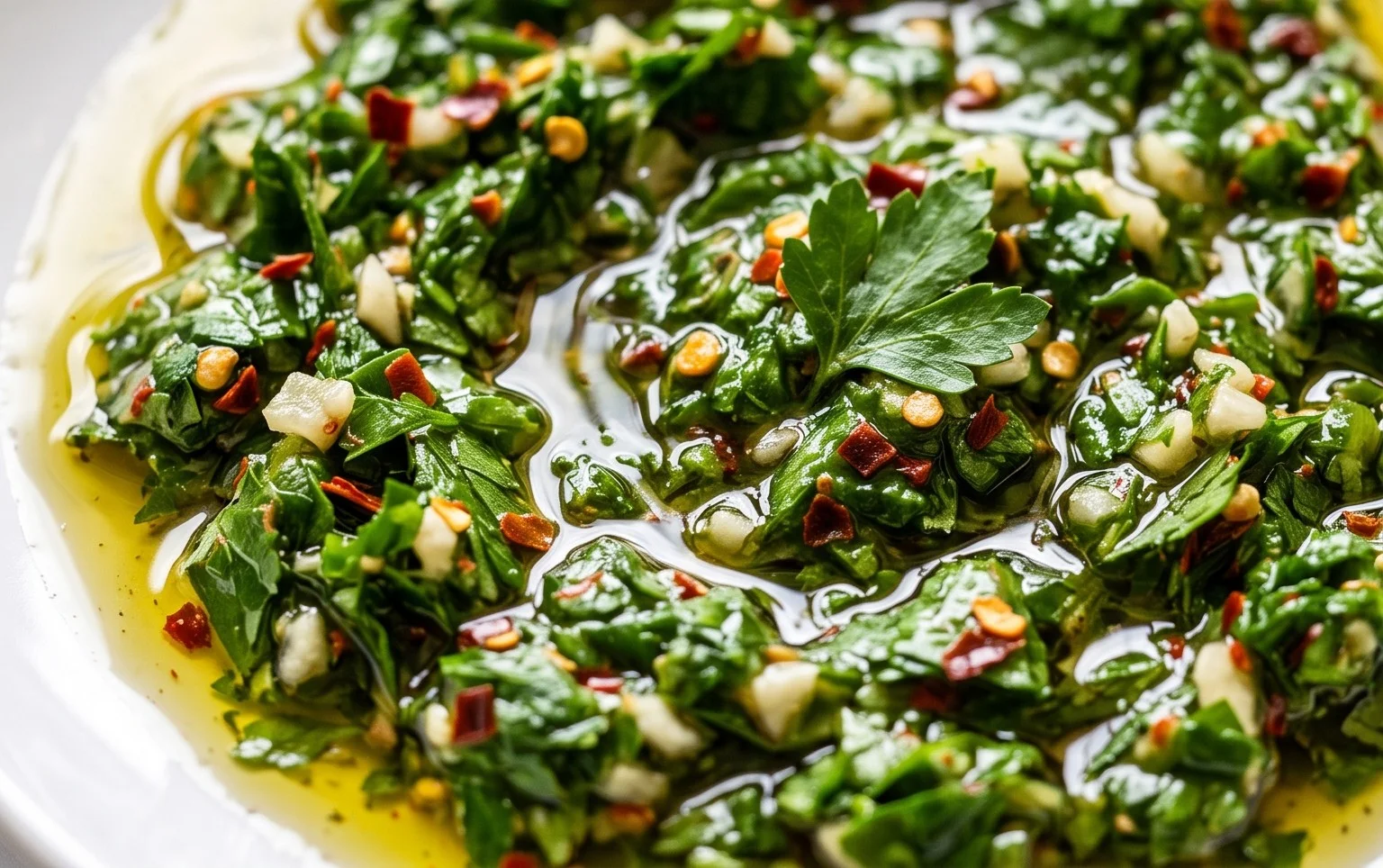
There you have it! Crafting this vibrant and herbaceous chimichurri sauce is an incredibly rewarding culinary endeavor. Its beauty lies in its simplicity, allowing the fresh, bright flavors of parsley, cilantro, garlic, and vinegar to truly shine. This versatile sauce is more than just a condiment; it’s a flavor enhancer that can elevate everything from grilled meats and roasted vegetables to even a simple piece of bread. I encourage you to give this chimichurri sauce recipe a try – you’ll be amazed at how effortlessly it transforms ordinary dishes into something extraordinary. Don’t be afraid to experiment and make it your own!
Frequently Asked Questions:
Why is this chimichurri sauce recipe so great?
This chimichurri sauce recipe is celebrated for its freshness, vibrant green color, and zesty flavor profile. It’s incredibly easy to make, requiring no cooking, and uses readily available ingredients. Its inherent versatility makes it a fantastic addition to a wide range of dishes, adding a burst of herbaceous goodness and a delightful tang that complements so many flavors.
What are some other serving suggestions for chimichurri?
Beyond grilled steaks and chicken, consider drizzling this chimichurri sauce over grilled fish, beef chops, or even lamb. It’s also phenomenal on roasted potatoes, grilled corn on the cob, or as a dressing for hearty salads. A spoonful stirred into scrambled eggs or avocado toast is also a game-changer!
Can I make variations to this chimichurri sauce recipe?
Absolutely! For a spicier kick, add a pinch of red pepper flakes or a finely minced jalapeño. Some people enjoy adding a touch of oregano or even a squeeze of lime juice for an extra citrus note. Feel free to adjust the garlic and herb ratios to your personal preference.
Chimichurri Sauce Recipe
A vibrant and herbaceous Argentine sauce, perfect for grilled meats, fish, or vegetables.
Ingredients
-
1 cup fresh Italian flat-leaf parsley, leaves only, stems removed
-
1/4 cup fresh cilantro, leaves only, stems removed
-
1/4 cup fresh oregano, leaves only, stems removed
-
1/3 cup roughly chopped red onion
-
3 cloves garlic, peeled
-
1/2 teaspoon red pepper flakes
-
1/2 cup extra-virgin olive oil
-
1/4 cup red grape juice vinegar
-
3 tablespoons fresh lemon juice
-
1 teaspoon kosher salt
Instructions
-
Step 1
Finely chop the parsley, cilantro, and oregano. -
Step 2
In a medium bowl, combine the chopped herbs, red onion, garlic, and red pepper flakes. -
Step 3
Add the extra-virgin olive oil, red grape juice vinegar, and lemon juice to the bowl. -
Step 4
Stir in the kosher salt. -
Step 5
Whisk everything together until well combined. -
Step 6
For best flavor, let the sauce sit for at least 15-30 minutes before serving to allow the flavors to meld.
Important Information
Nutrition Facts (Per Serving)
It is important to consider this information as approximate and not to use it as definitive health advice.
Allergy Information
Please check ingredients for potential allergens and consult a health professional if in doubt.